
For the better part of two decades, one room conquered the world.
You know it without being told: walls painted the white of a fresh page, a pale wood floor, a low sofa in oatmeal, one carefully placed plant, and light so even and shadowless it might have been issued by a committee. It was calm, it photographed beautifully, and it asked nothing of you. It was also, more often than not, sold to the world as Scandinavian, which is the first of several ironies in this story. The “white box” was a genuine achievement before it became a cliché. It cleared away clutter, it let architecture breathe, and at its best it was disciplined rather than merely empty. But a good idea repeated ten million times stops being an idea and becomes a default, and somewhere along the way the pale, tasteful, agreeable interior lost the thing that made it worth doing. It became a room with excellent manners and nothing to say.
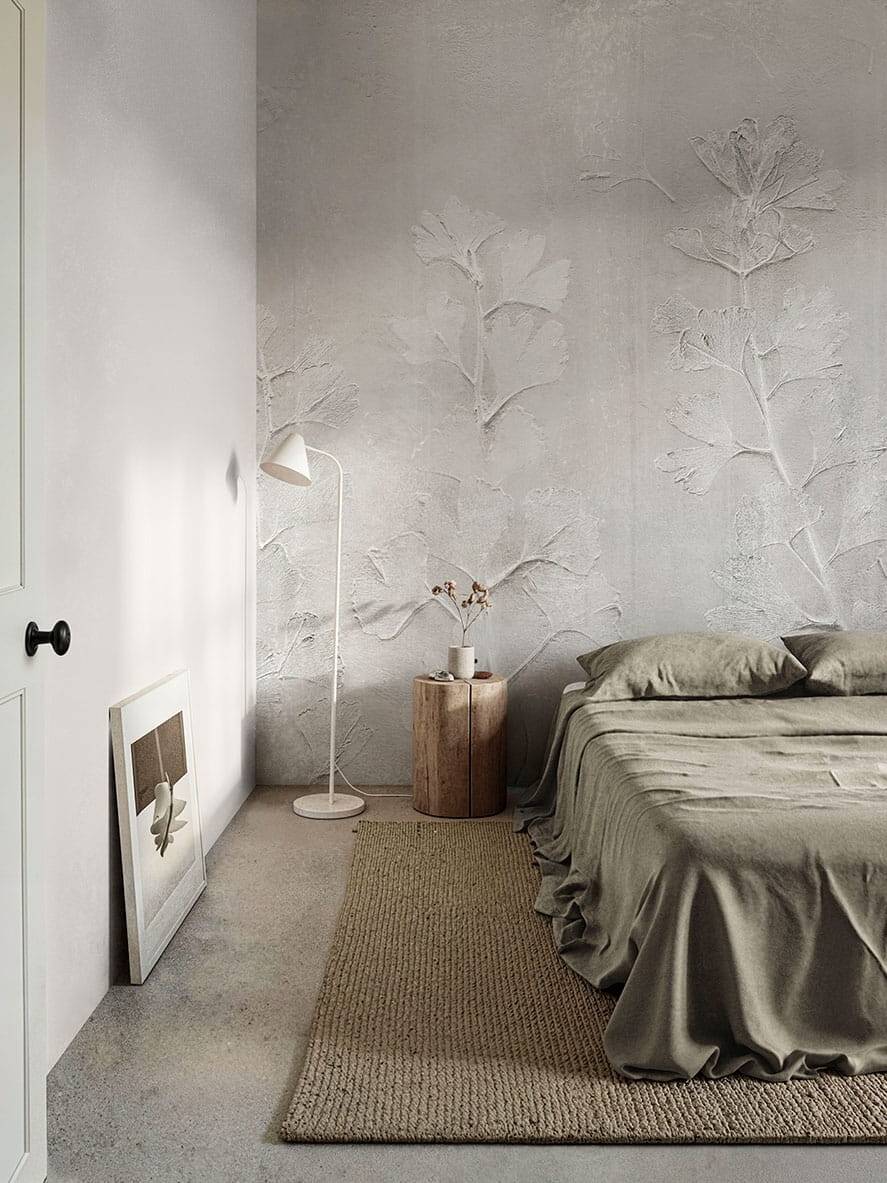
That room is now, quietly, being furnished. The signs are everywhere for anyone specifying at the moment: earth tones displacing cool greys, plaster and limewash walls with a depth you can almost feel, wood used in generous quantity, and colour creeping back not as an accent but as a mood. When Pantone named a shade of soft brown its colour of 2025, it was less a forecast than a confirmation of something already underway. The palette had warmed, and with it the whole temperature of the considered interior.
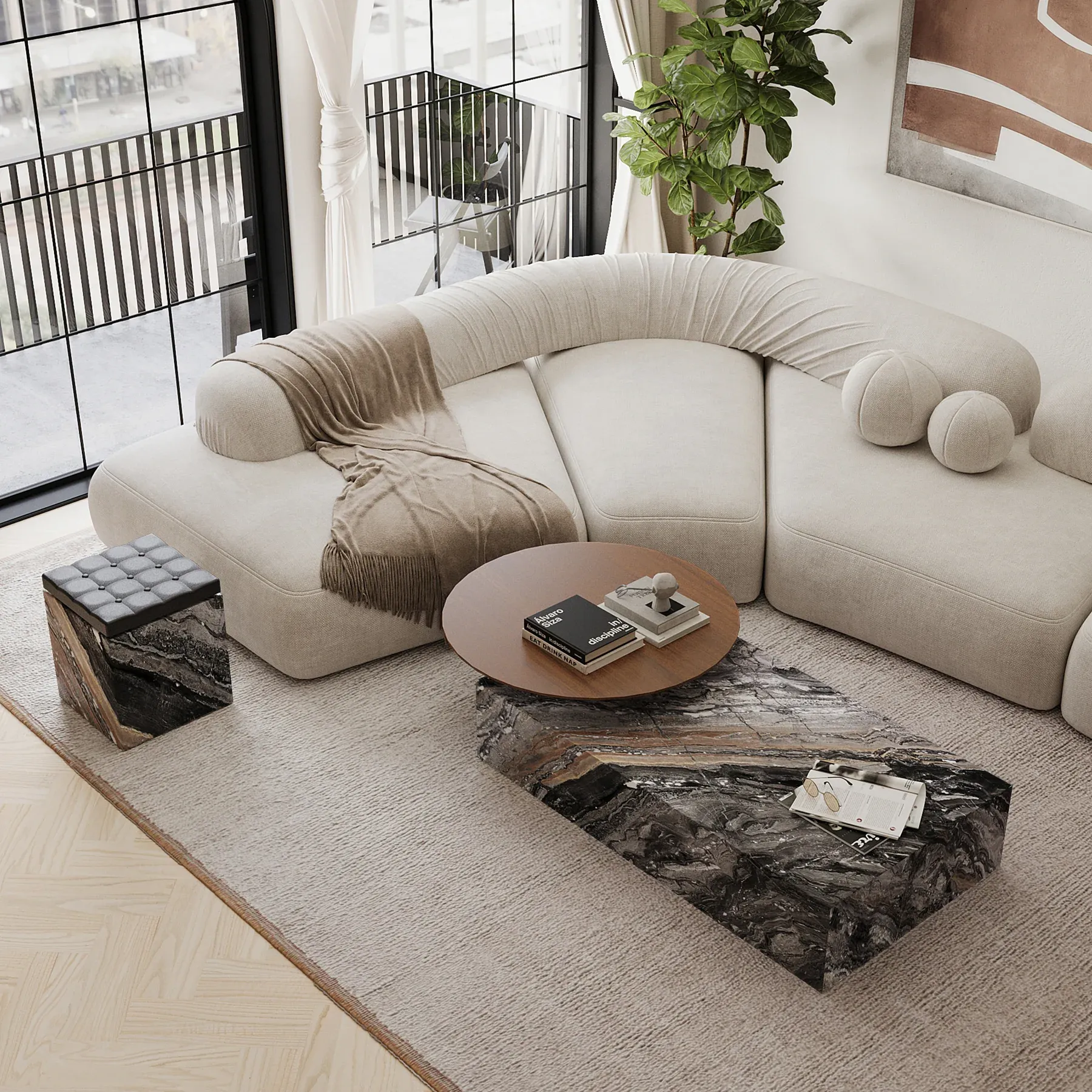
The Odense Coffee table by Nordst. A sleek, modern coffee table with a luxurious marble base and a smooth extended round top. Ideal for adding a touch of sophistication to your living space.
The deeper shift, though, is not about colour at all. It is about material, and about the return of the sense we spent twenty years designing out: touch. The white box was a visual proposition, a thing to be looked at and, ideally, photographed. What is replacing it is tactile. A wall you want to run a hand across. A surface with grain and variation and the small imperfections that tell you it came from somewhere. This is why natural stone has returned with such force, and why a brand like Nordst, cutting marble whose veining never repeats, feels so precisely of the moment. A slab of Calacatta Viola is the exact opposite of a flat white wall: it has depth, history and a refusal to be uniform, which is now read as a virtue rather than a flaw.
Colour is following the same logic. The interesting work is not loud but grounded, drawn from the natural world rather than the mood board. StylEditions‘ Organic Luxe rugs are a fair illustration: colour organised as a system of deep earths and greens treated as neutrals, texture built from scanned bark and real matter rather than invented pattern. It is warmth arrived at through rigour, which is often the kind that lasts.
And here the final irony resolves itself rather neatly. The Nordics, so often blamed for exporting the white box to the world, were never actually so cold at home. The real Nordic interior always had wood, candlelight, wool and the warmth you used against a long winter. What is happening now is less a revolution than a correction: a region quietly reclaiming a warmth that was always its own. The white box was a fine place to visit. Almost nobody wants to live there.
Editors Picks

Author

Owen Wray
Founder Sirus Concepts