
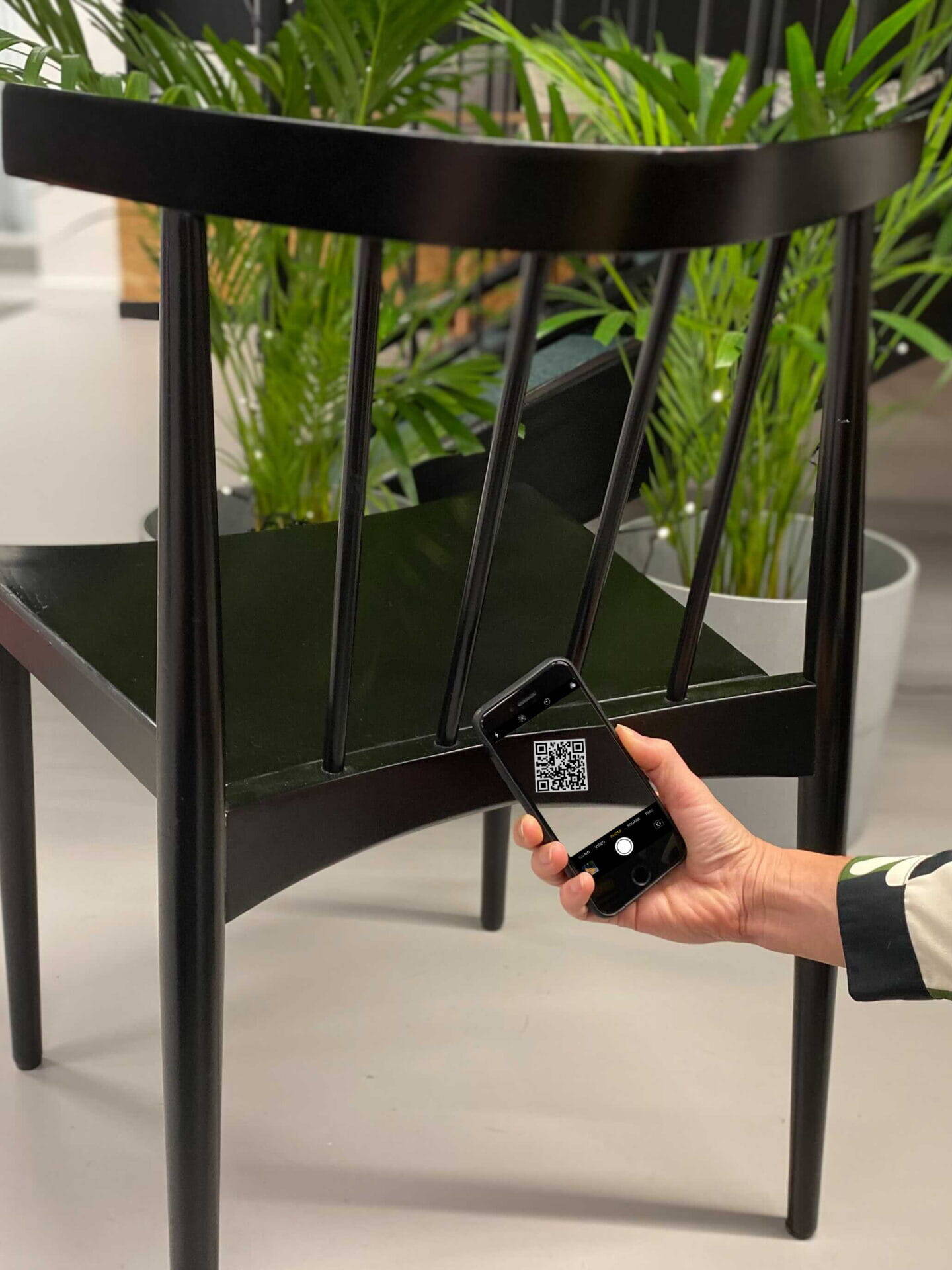
There is a new kind of document quietly entering the design world, and like most consequential paperwork, it has arrived without ceremony.
Within a few years, a great many of the products specified into European buildings will carry something called a Digital Product Passport: a machine-readable record of what a thing is made from, how long it is built to last, whether it can be repaired, and what is meant to happen to it at the end. Furniture and lighting are in the queue. The objects we live with are, in effect, about to be issued travel documents.
It would be easy to file this under Brussels bureaucracy, and in the near term it is certainly that. The passport is only the visible end of a longer regulatory shift. The EU’s Ecodesign for Sustainable Products Regulation came into force in 2024, and its requirements will reach furniture through the back half of the decade. Alongside it, the Environmental Product Declaration, or EPD, has already become the price of entry for any serious project. Win a public tender, chase a BREEAM or LEED rating, satisfy a specifier working to the Nordic Swan, and someone will ask for one. Increasingly, no document means no place on the shortlist.
Here is the point however. An EPD is not a marketing leaflet. It is a third-party-verified account of a product’s environmental life, it takes the better part of a year to produce, it costs a small brand real money, and it expires every five years, at which point you do the whole thing again. The burden, in other words, falls heaviest on most often the brands least in need of reform: the small studio that has always sourced honestly, built to last, and repaired rather than replaced. The rules were written to catch the throwaway end of the market. The paperwork lands hardest on the end that was already behaving.
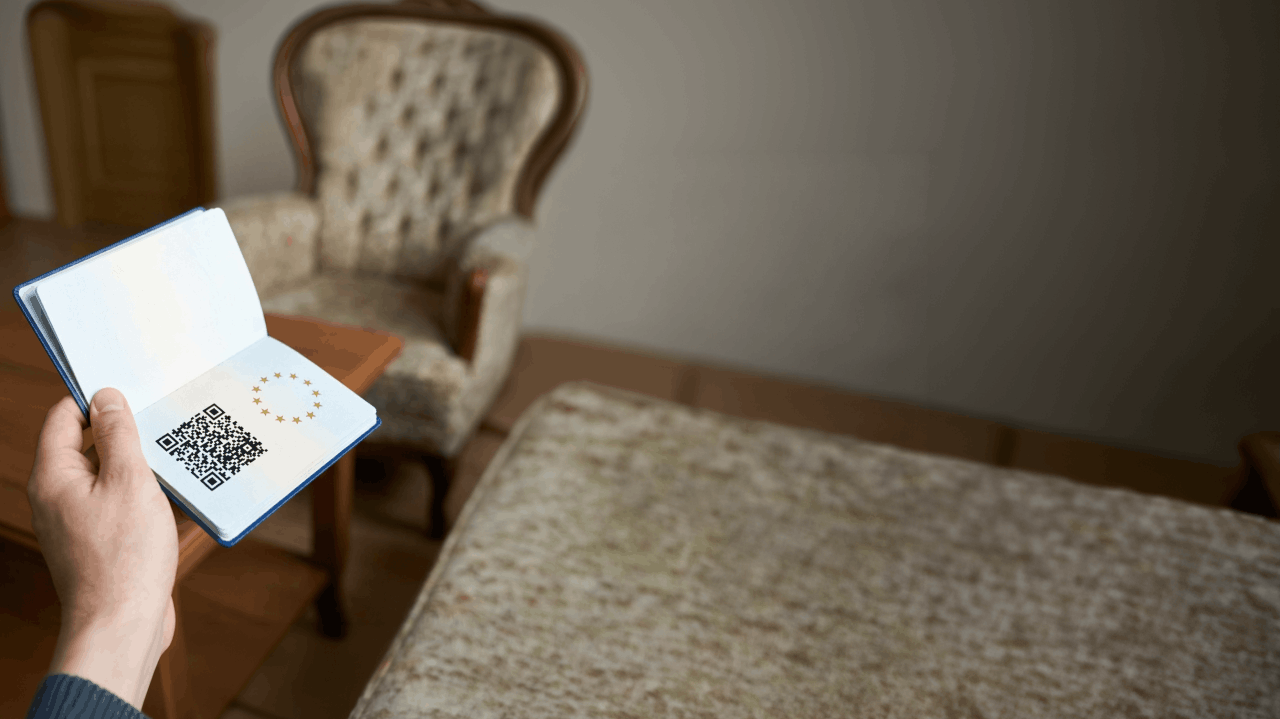
The Digital Product Passport: a machine-readable record of what a thing is made from, how long it is built to last, whether it can be repaired, and what is meant to happen to it at the end.
There is a quiet irony in that, and also a deeper reassurance. Because the one thing no amount of documentation can manufacture is durability itself. A passport can record how long an object should last; it cannot make a badly made one last longer. This is where the honest brands hold an advantage no data sheet can fake. Consider DCW éditions, who have kept the Lampe Gras, designed by Bernard-Albin Gras in 1921 and later taken up by Le Corbusier, in continuous production. A lamp that has survived a full century of changing taste is not making a sustainability claim. It simply is the evidence. The regulation is, in a sense, only now catching up to describe what such makers were doing all along.
For the specifier, this changes the job in a subtle but permanent way. Environmental data is becoming a gate rather than a garnish, and the ability to produce it will quietly sort the field. Brands that treat the passport as a nuisance will find themselves explaining its absence; brands that treat it as proof will hand over the papers and carry on. Part of specifying well, from here, is knowing which of your makers can.
None of this should feel foreign in the North. The Nordic market has run on environmental certification longer than most, since the Nordic Swan arrived in 1989, and the culture of the considered interior was always, if quietly, the sustainable one. Buying less and buying better is not a new idea here; it is closer to a natural instinct. The passport era simply gives that instinct a paper trail. Which leaves a rather satisfying conclusion for anyone who cares how things are made. When the documents are finally issued and the objects are asked to account for themselves, the pieces with nothing to fear will be the ones that were never going to fail the test. The well-made object was always a long-term argument. Now it will travel with its papers.
Author

Owen Wray
Founder Sirus Concepts